

Area type
Foundations, roofs and wet areas have different exposure, methods and protection requirements.
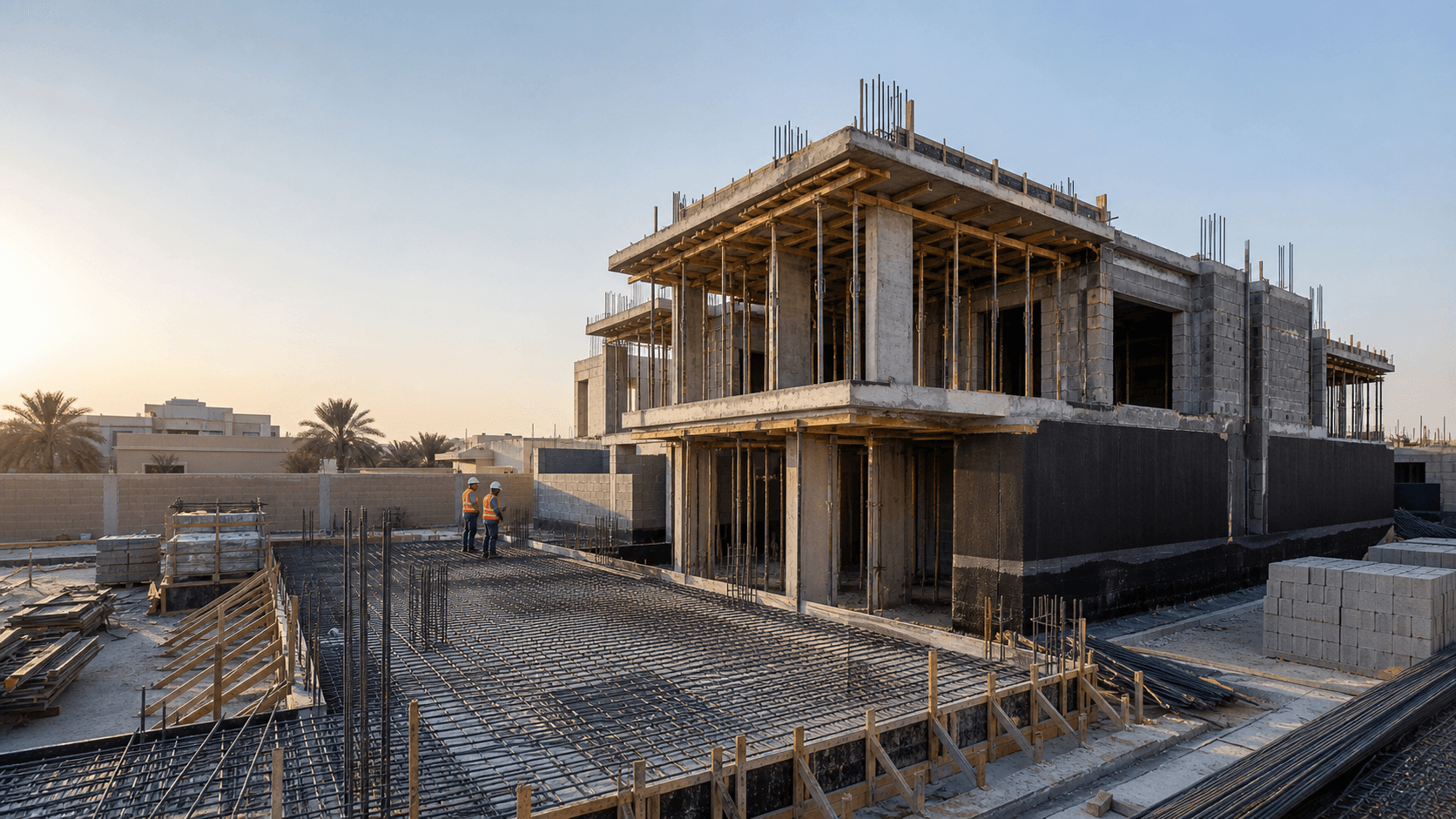
We review location, substrate condition, drainage and exposure before defining preparation and a system suited to the project specification.
Waterproofing & Insulation
Waterproofing performance depends on surface preparation, corners, joints, penetrations, compatible layers and protection after installation. The method therefore differs between foundations, roofs, bathrooms and other wet areas.
Waterproofing and thermal insulation are included where required by the project design and specification. In existing buildings, the leak source and condition of current layers should be understood before choosing a local repair or a wider treatment.
The substrate, exposure to water or heat, details and any existing problem are reviewed.
The base is cleaned and defects or details that interrupt the waterproofing layer are addressed.
Layers and details are applied to the approved system and specification, including edges and penetrations.
Work is reviewed before covering, then protection or subsequent layers are installed without damaging it.
Cost and duration depend on the system, substrate and details rather than area alone. Important factors include:
Foundations, roofs and wet areas have different exposure, methods and protection requirements.
Moisture, cracks, falls and previous work determine cleaning and repair needs.
The number of drains, pipes, joints and corners affects installation time and care.
Material type, layer count, protection and thermal requirements alter quantities and sequence.
Access, substrate conditions, heat and humidity can affect application and curing windows.
The answer depends on the water source, path and building element. One-sided treatment is not suitable in every case, so the cause should be diagnosed first.
Waterproofing limits water and moisture movement, while thermal insulation reduces heat transfer. Both may be coordinated in a roof build-up using compatible layers.
It is generally installed and checked before protective layers, flooring or finishes cover it, because access becomes more difficult afterward.
Selection depends on location, substrate, exposure, drawings, specifications and compatibility with preceding and subsequent layers.
Coordinated villa construction from site preparation and structure through waterproofing, finishes and final inspection.
View serviceUpgrading existing buildings and spaces after assessing their condition and defining what needs repair or replacement.
View serviceUnderstand critical waterproofing areas, the importance of falls, drainage, details and testing, and how work should be checked before it is covered.
Read guideA structured checklist for reviewing documents, finishes, openings, services, wet areas, and observations before project handover.
Read guide
Send site photos, the area type and its current condition so we can determine whether more information or an inspection is required.